
Toddlers thrive on rhythm, repetition, and responsive conversations. When you read aloud with intention, you build their vocabulary, strengthen emotional resilience, and create a cozy attachment ritual. Here’s how to make “reading stories to my toddler” a nightly highlight that fuels language development and connection.
Pair your nightly reads with the Baboo Stories app to explore interactive prompts, guided movement ideas, and character-driven adventures you can perform together alongside the books on your shelf.
1. Design a calm story zone
Choose a consistent nook that signals it is time to slow down. Dim the lights, remove noisy toys, and invite your toddler to pick a comfort object to hold. A calm environment helps their nervous system settle and primes their brain to absorb language-rich storytelling.
- Keep a basket of board books or short picture books within reach.
- Play a soft instrumental track to cue that storytime is starting.
2. Warm up with connection cues
Before you open the book, offer a quick check-in to gather their attention. Try a mini “wiggle and freeze” game or a simple breathing exercise where you inhale like smelling a flower and exhale like blowing a candle. These playful cues signal that listening and cuddling are about to begin.
3. Choose stories that mirror their world
Toddlers love seeing their experiences reflected back to them. Rotate between familiar favorites and new narratives that highlight everyday adventures: visiting the park, welcoming a sibling, or facing big feelings. Repetition builds comprehension, while new storylines stretch imagination and empathy.
Look for books with:
- strong rhythm or rhyme,
- bright, uncluttered illustrations,
- predictable patterns your toddler can echo, and
- clear emotional arcs that you can discuss afterwards.
4. Read with dramatic flair
Your voice is a powerful storytelling instrument. Switch between whisper-soft narration and animated character voices. Use pauses, gasps, and sound effects to keep your toddler leaning in. When you emphasize descriptive words like “the gigantic rainbow” or “the sleepy dragon,” you plant vocabulary seeds that bloom during future conversations.
5. Invite interaction every few pages
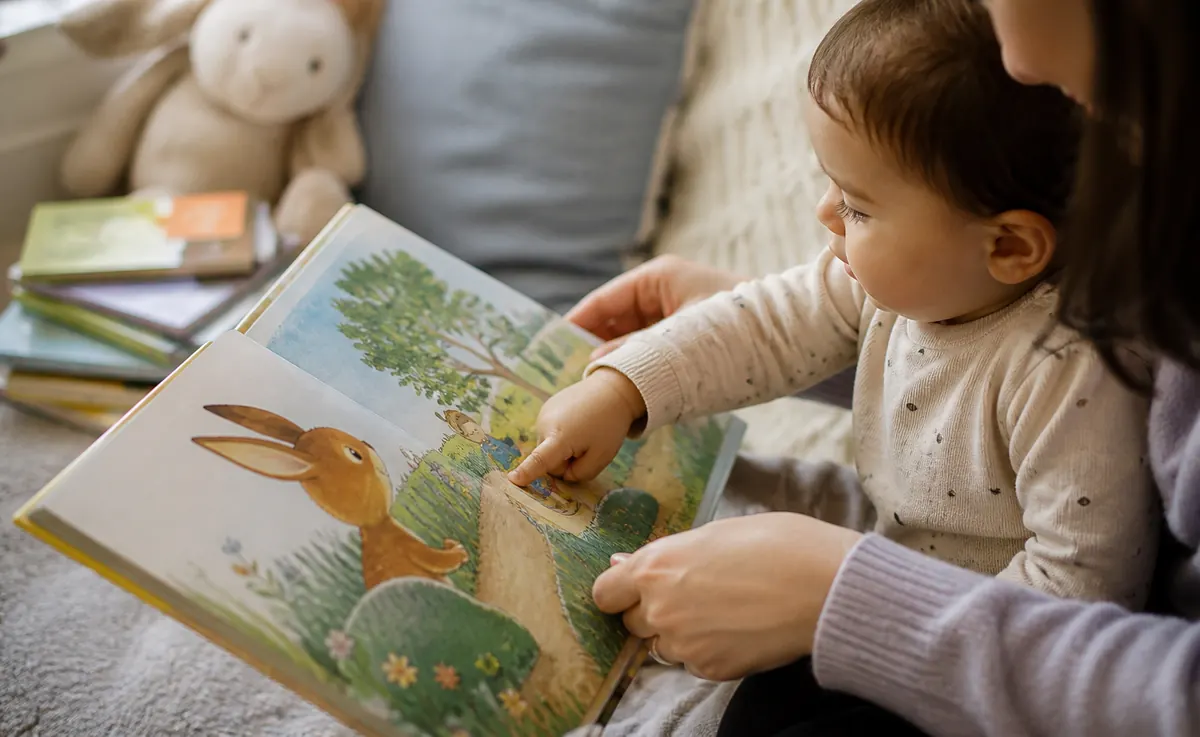
Toddlers learn best when they can participate. After each page or two, ask open-ended prompts such as, “What do you think happens next?” or “How does the bunny feel right now?” Encourage them to point, clap, or mimic character actions. This interactive rhythm keeps energy steady and supports narrative comprehension.
- Echo-read short phrases and let your child finish predictable sentences.
- Act out motions, such as tiptoe, roar, or stretch, as the story unfolds.
- Revisit tricky words and celebrate each response, even if it is a gleeful babble.
Need fresh prompts? Explore our storytelling prompts guide to keep questions flowing long after the last page.
6. Acknowledge big feelings
Reading time is a gentle opportunity to practice emotional literacy. Name emotions the characters experience and connect them to your child’s daily life: “The penguin feels shy at the party. Do you remember feeling shy at daycare?” This validation boosts empathy and gives your toddler a safe space to process their own feelings.
7. Close with a soothing ritual
End each story with a predictable signal: perhaps a family affirmation, a “thank you book” high-five, or a cuddle while tracing shapes on their back. Consistency teaches your toddler that calm follows excitement, easing the transition to sleep or the next part of your routine.
8. Stretch the story beyond bedtime
Keep the narrative alive the next day. Retell the plot during breakfast, recreate the adventure with toys, or draw a key scene together. These extensions strengthen memory, comprehension, and creativity, which are cornerstones of early literacy.
FAQ: Toddler storytime questions parents ask
How long should toddler storytime last?
Aim for 10–15 minutes of focused reading, adjusting to your child’s mood. Two short books or one longer picture book is usually the sweet spot before attention starts to drift.
What if my toddler only wants the same book?
Repetition is developmentally powerful. Keep the favorite in rotation, but offer a “book buffet” choice: one beloved classic plus one new pick. Frame it as, “Let’s read your favorite, then you choose a surprise story.”
How can I fit storytime into a busy schedule?
Attach reading to an existing habit, such as after snack, post-bath, or before nap. Even five consistent minutes build a ritual your toddler will anticipate and request.

Make every story an adventure with Baboo Stories
Baboo provides story text for parents to read aloud. You can add your own questions, voices and movements; those choices belong to your family, not an automatic performance in the app.
Baboo Stories is a calmer bedtime story app for parents who want to read, bond, and help toddlers wind down with gentle read-aloud stories.