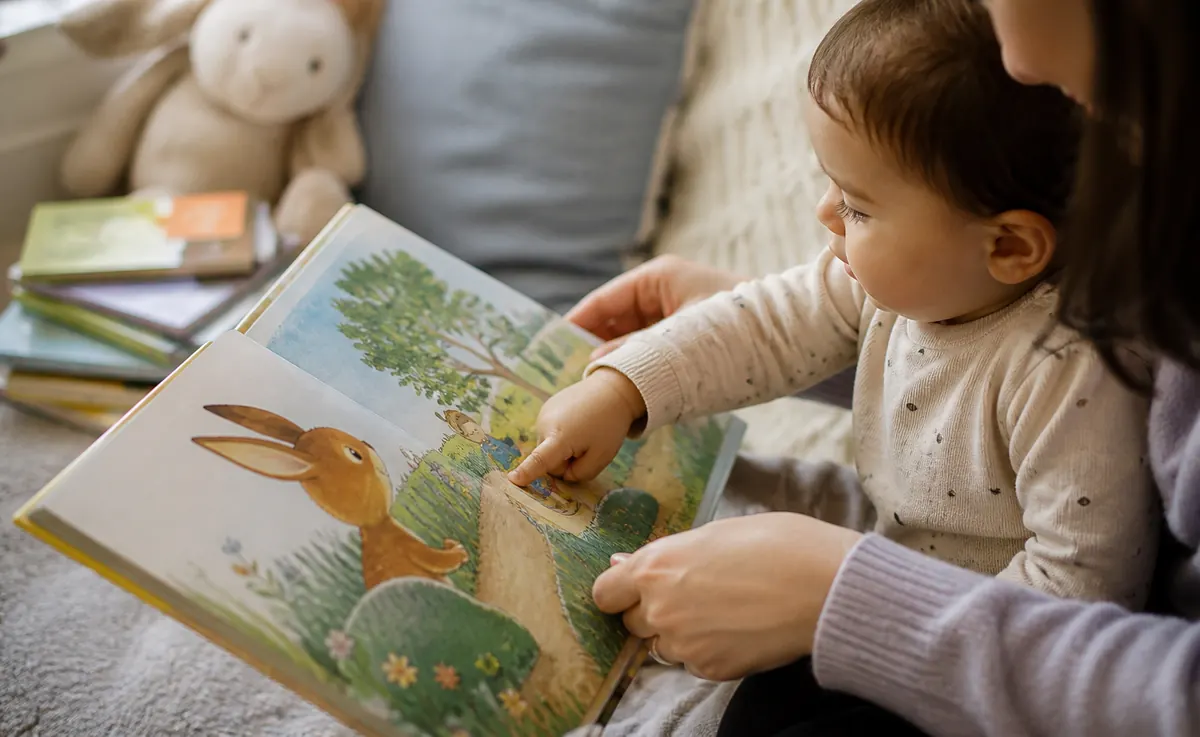
Sensory play simply gives a child a chance to notice and explore what something feels, sounds, looks or smells like. It does not need rainbow rice, a themed bin or a finished craft. A towel and a smooth cup can be enough.
“Low-mess” is more honest than “mess-free.” Every activity still needs supervision and a small reset. This guide avoids loose fillers and keeps materials contained. For a wider menu, see our screen-free activities for toddlers at home.
Pick a sensory activity in 30 seconds
Swipe or scroll horizontally to compare all columns.
| Activity | Main sense | Setup | Spread | Adult role |
|---|---|---|---|---|
| Large-fabric basket | Touch | 2 minutes | Low | Name textures |
| Mystery bag | Touch | 2 minutes | Contained | Hold the bag |
| Warm and cool cloths | Temperature | 2 minutes | Low | Check temperature |
| Sponge press | Touch | 3 minutes | Tray | Stay within reach |
| Dough press | Touch | 2 minutes | Tray | Supervise closely |
| Crinkle and smooth | Touch, sound | None | Low | Model once |
| Tap and listen | Sound | 1 minute | Low | Choose surfaces |
| Home sound hunt | Sound | None | None | Listen together |
| Colour hunt | Sight | None | None | Name colours |
| Light and shadows | Sight | 1 minute | None | Control the light |
| Whole-fruit smells | Smell | 1 minute | Low | Hold and check |
| Large-object weights | Body, touch | 2 minutes | Low | Choose safe objects |
Set up for a quick reset
- Define the space. Use a tray, towel or washable mat.
- Use large materials. Skip beads, dry rice, dried beans, pom-poms and other small loose fillers with toddlers.
- Prepare the ending. Put an empty basket and towel within reach before play starts.
- Stay close. Sensory materials can be mouthed, thrown or carried when a toddler changes the game.
NAEYC describes sensory exploration as process-led: toddlers may be more interested in what a material does than in making a recognisable result. Head Start similarly treats messy play as open-ended exploration. This page keeps that freedom while limiting how far the materials can spread.
12 low-mess sensory activities for toddlers
1. Explore a basket of large fabrics
How to start: Put three large items in a basket, such as a washcloth, smooth tea towel and fuzzy sock. Rub, pat or fold one while naming what you notice: “This one feels bumpy.”
Safety: Stay beside your child and keep fabric away from the face and neck.
2. Feel one large object in a mystery bag
How to start: Place one familiar, large object in an open tote bag. Let your toddler reach in and feel it before looking. Try a wooden spoon, soft toy or plastic cup.
Keep it simple: Hold the bag open. Never place it over a child's head, and avoid small or sharp objects.
3. Compare warm and cool washcloths
How to start: Dampen one cloth with cool water and another with comfortably warm water. Wring both thoroughly and place them on a tray. Touch each with a fingertip or press a hand on top.
Check first: Test the temperature yourself. Use no hot water, and dry spills immediately.
4. Press and squeeze a damp sponge
How to start: Put a small amount of water in a shallow, stable tray. Offer one large clean sponge to press, squeeze and release over the tray.
Contain it: Use only a little water, stay within reach and empty the tray as soon as play ends.
5. Press dough on a tray
How to start: Offer one small piece of age-appropriate, non-toxic modelling dough on a tray. Press with a palm, poke with one finger or flatten it with a large cup.
Supervise: Dough is for play, not eating. Skip this activity if your toddler is likely to mouth it, and follow the product's age guidance.
6. Crinkle and smooth one sheet of paper
How to start: Use one large sheet of sturdy paper. Listen while you slowly crinkle it, then open and smooth it with both hands.
Watch closely: Stop if paper is torn into small pieces or brought to the mouth.
7. Tap and compare two sounds
How to start: Give your child a wooden spoon and choose two safe, unbreakable surfaces, such as an upside-down plastic bowl and a folded towel. Tap each gently and listen for the difference.
Set the boundary: The spoon stays on the tray or mat and away from people, glass and screens.
8. Take a quiet sound hunt
How to start: Pause in two or three rooms and listen. You might hear a fan, footsteps, water or birds outside. Name one sound without asking your toddler to identify every noise.
No sound effects needed: Listening and pointing are enough.
9. Find one colour around the room
How to start: Choose one colour and find two large objects that match. Bring them together or point from where you are.
Follow interest: If your toddler chooses a different colour, use their choice rather than correcting the game.
10. Make slow light-and-shadow shapes
How to start: In a dim room, let an adult aim a flashlight at a clear wall while hands or a large soft toy make a shadow. Move slowly and change the distance.
Safety: The adult controls the flashlight. Never shine it into anyone's eyes, and secure its battery compartment.
11. Compare two whole-fruit smells
How to start: An adult can hold two familiar whole fruits, such as an orange and apple, for a gentle smell. Name the fruit and let your child turn away if they are not interested.
Check suitability: Consider allergies and sensitivities, wash the fruit and do not require smelling or tasting.
12. Compare two large-object weights
How to start: Choose two large, easy-to-hold objects, such as an empty plastic cup and a rolled towel. Lift each together and describe one as lighter or heavier.
Keep it safe: Use only lightweight objects that cannot break or hurt toes if dropped.
If your toddler avoids a texture
Avoidance is information, not misbehaviour. Do not place a child's hand into a material or insist they finish.
- Let your child watch you first.
- Offer a tool, such as a spoon, instead of direct touch.
- Return to one familiar material.
- Move the activity off the hands: listen, look or point instead.
- Stop and try another day if the answer is still no.
Sensory-play safety
- Do not use water beads. The U.S. Consumer Product Safety Commission urges families to keep them away from children because swallowed beads can expand and cause severe injury.
- Avoid small loose fillers. Keep beads, dry beans, rice, pom-poms, magnets, button batteries and other choking hazards out of toddler play.
- Supervise water continuously. Use a small amount and empty containers immediately afterwards.
- Check labels and condition. Follow age guidance and discard damaged toys or materials.
- Do not promise a response. Sensory play is not guaranteed to calm, focus or occupy a toddler, and this article is not sensory therapy.
Questions parents often ask
What are easy low-mess sensory activities for toddlers?
Easy options include a large-fabric texture basket, mystery bag, warm-and-cool washcloths, sponge pressing, dough on a tray, crinkle paper, sound tapping, a home sound hunt, colour hunt, light-and-shadow play, whole-fruit smell comparison and large-object weight comparison.
Does sensory play need a sensory bin?
No. Sensory play can be as simple as comparing two fabrics, listening for household sounds, noticing colours or pressing a sponge. A special bin, themed setup or loose filler is optional.
How can I contain sensory-play mess?
Offer one material at a time, use a tray or washable mat, keep water amounts small and place a towel nearby before play begins. Choose an obvious finish point and put materials away as soon as your toddler starts carrying or throwing them.
Which sensory materials should toddlers avoid?
Avoid water beads and keep small loose fillers, magnets, button batteries, beads and other choking hazards out of reach. Choose large age-appropriate materials and supervise throughout the activity.
What if my toddler dislikes a texture or refuses the activity?
Do not require touching. Let your child watch, use a tool, choose a familiar material or stop. Sensory play is an invitation, not a test, and another activity can be offered later.
Sources and further reading
- NAEYC: A Toddler's Guide to Sensory Activities in the Home.
- Head Start: Designing Messy Play for Infants and Toddlers.
- U.S. Consumer Product Safety Commission: Water Beads Information Center.
- U.S. Consumer Product Safety Commission: Toy Safety.
- CDC: Positive Parenting Tips for Toddlers Ages 2 to 3.
Notice sensory words in one shared story
Baboo Stories gives parents story text to read aloud from a phone. Phone-based reading is not screen-free. You can notice one word such as soft, bright or quiet, put the phone away, then find a safe matching object together.
The app is free to download. Some stories are locked, and an optional monthly subscription unlocks all stories.